
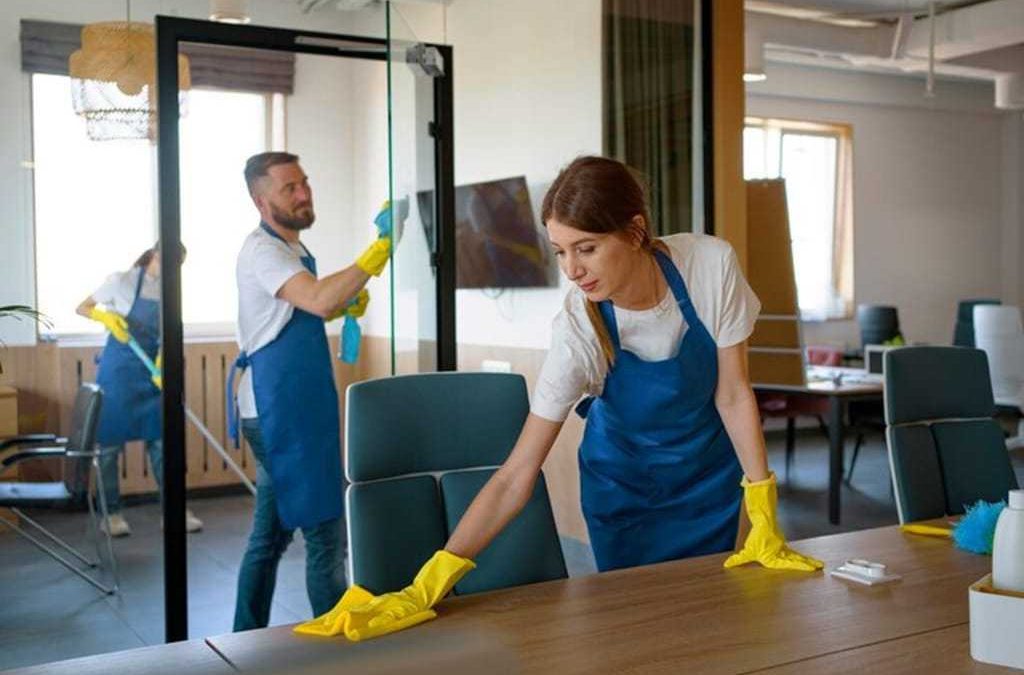

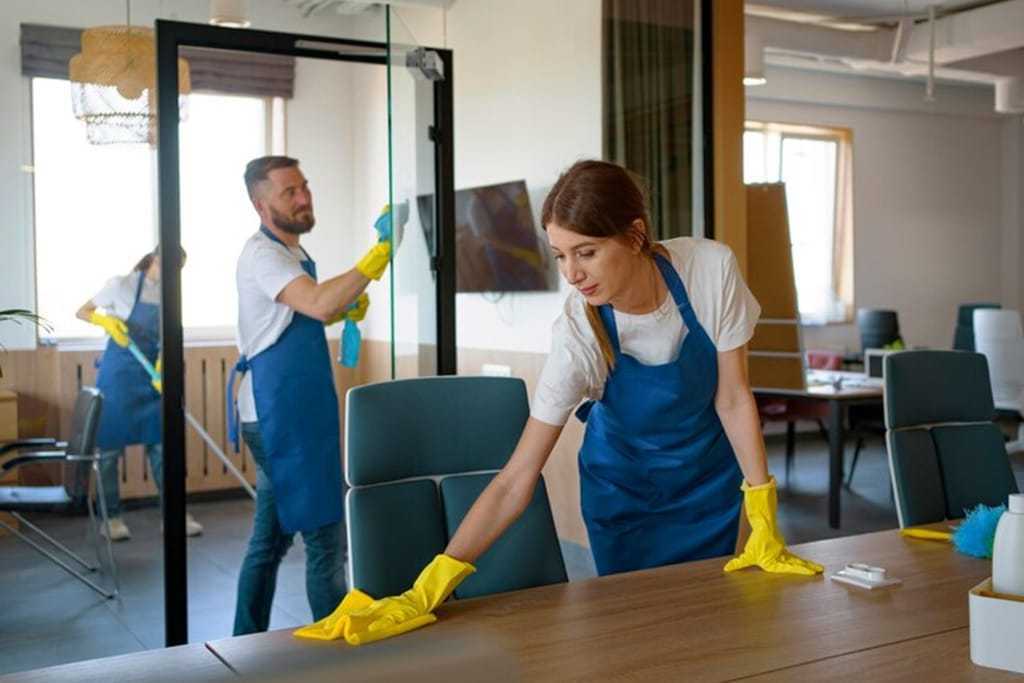
The evolution of cleaning services in Singapore reveals more than simple commercial transactions between service providers and clients; it exposes an industry transformed from basic janitorial work into a sophisticated infrastructure underpinning public health, workplace productivity, and commercial viability across residential, corporate, and industrial sectors. What once constituted straightforward manual labour has evolved into a regulated profession requiring formal certifications, specialized equipment, and documented compliance with government standards. Understanding this transformation requires examining the regulatory frameworks, economic pressures, workforce dynamics, and technological innovations that have reshaped how Singaporeans maintain the spaces where they live and work.
The Regulatory Architecture and Professional Standards
Singapore’s cleaning services sector operates within comprehensive regulatory frameworks established by the National Environment Agency. Professional operators must navigate licensing requirements, workforce qualification standards, and safety protocols that transform cleaning from informal labour into documented professional service. Industry observers note that cleaners should possess WSQ (Workforce Skills Qualifications) in environmental cleaning, a nationally recognised certification framework administered under SkillsFuture Singapore, ensuring technical competence and workplace safety knowledge.
The certification framework covers multiple competencies essential to professional cleaning services:
- Proper disinfection techniques for high-touch and high-risk surfaces
- Ergonomic cleaning practices reducing fatigue and injury risk
- Hazard identification including slippery floors, inadequate ventilation, and chemical storage
- Customer service protocols and infection control measures
- Material-specific cleaning approaches preventing surface damage
This formalization reflects recognition that cleaning services involve skilled labour requiring training rather than merely physical effort. The regulatory infrastructure protects both workers and clients whilst establishing quality benchmarks differentiating professional operators from unregulated competitors.
Economic Calculations and Market Dynamics
The cleaning services market in Singapore functions through complex economic calculations balancing cost pressures against quality expectations. Clients across residential and commercial sectors seek affordable solutions, yet professional operators argue that proper service delivery requires investment in trained personnel, appropriate equipment, and regulatory compliance that generic providers cannot sustain.
Research demonstrates tangible returns from professional cleaning services investment. According to surveys cited by industry sources, more than 65% of employees in Singapore report feeling healthier and more motivated in professionally cleaned offices, quantifying productivity benefits that justify ongoing cleaning expenditure for corporate clients. The calculation extends beyond immediate cleanliness to encompass reduced sick leave, extended asset lifespan, and maintained property values.
However, competitive pressures create downward force on pricing. Clients comparing quotations may prioritize cost reduction over service quality, incentivizing providers to minimize labour costs and maximize worker productivity. This dynamic produces outcomes where cleaning staff rush through tasks meeting contractual obligations whilst compromising thoroughness.
Workforce Realities and Labour Conditions
Behind the operational frameworks and commercial transactions lie human workers whose labour makes cleaning services functional. The industry employs substantial numbers including older workers who may face particular health risks. As workplace safety guidelines acknowledge, many cleaners are older workers who may be more prone to health and safety risks at work, requiring attention to ergonomic practices and appropriate protective equipment.
The work demands physical stamina across extended shifts, often scheduled during early morning or evening hours to minimize client disruption. Workers navigate multiple hazards including chemical exposure, slip risks, repetitive motion injuries, and heavy lifting. Professional cleaning services providers invest in safety training and equipment, though economic pressures may compromise these investments when clients prioritize low pricing.
Technological Integration and Service Innovation
Advanced cleaning services increasingly incorporate technology transforming traditional operations. The industry has witnessed evolution from basic manual methods toward sophisticated systems including:
- Autonomous floor scrubbers reducing labour requirements for routine maintenance
- IoT-enabled monitoring systems tracking consumable usage and alerting staff
- Real-time reporting platforms documenting cleaning activities for client verification
- Smart scheduling software optimizing workforce deployment according to demand patterns
Industry analysis indicates that Singapore’s cleaning industry is at the forefront of adopting smart technologies, with progressive operators leveraging these innovations to enhance efficiency whilst providing transparency through documented performance metrics. Technology serves dual purposes: reducing operational costs and addressing client accountability concerns regarding service quality verification.
Service Diversification and Specialization
The cleaning services sector has diversified substantially beyond basic maintenance. Professional providers now offer specialized solutions including:
- Residential cleaning ranging from routine housekeeping to deep cleaning interventions
- Commercial office cleaning maintaining corporate environments and shared facilities
- Industrial cleaning addressing manufacturing facilities with contamination control requirements
- Post-renovation cleaning removing construction debris and preparing spaces for occupation
- Specialized treatments including carpet cleaning, facade maintenance, and disinfection services
This specialization reflects recognition that different environments demand distinct approaches. Medical facilities require hospital-grade disinfection protocols; food service establishments need compliance with hygiene regulations; and luxury retail spaces demand presentation standards exceeding functional cleanliness.
Selection Criteria and Consumer Protection
Consumers seeking cleaning services navigate markets containing both professional operators and unregulated competitors. Industry guidance suggests verification of several indicators distinguishing legitimate providers:
- NEA licensing demonstrating regulatory compliance
- Insurance coverage including public liability and worker compensation
- Transparent pricing with documented service agreements
- Trained, certified personnel with verifiable qualifications
- Established track records with reference clients
The consequences of selecting inadequate providers extend beyond poor cleaning quality to encompass property damage risks, chemical exposure hazards, and liability concerns when unlicensed workers sustain injuries on client premises.
Conclusion
The transformation of cleaning services in Singapore from informal labour into regulated professional infrastructure reflects broader societal recognition that maintained environments support public health, economic productivity, and quality of life. The sector now operates through formal frameworks encompassing workforce certification, regulatory compliance, technological integration, and specialized service delivery addressing diverse client requirements. For consumers navigating this market, the challenge involves balancing cost considerations against quality assurance, recognizing that professional cleaning services deliver measurable benefits justifying their expense through healthier environments, preserved assets, and documented accountability. The continued evolution toward higher standards, better worker protections, and technological sophistication suggests that cleaning services will remain essential infrastructure supporting Singapore’s residential and commercial spaces.
Cleaning Services: Reliable, Affordable & Professional for Any Space
