
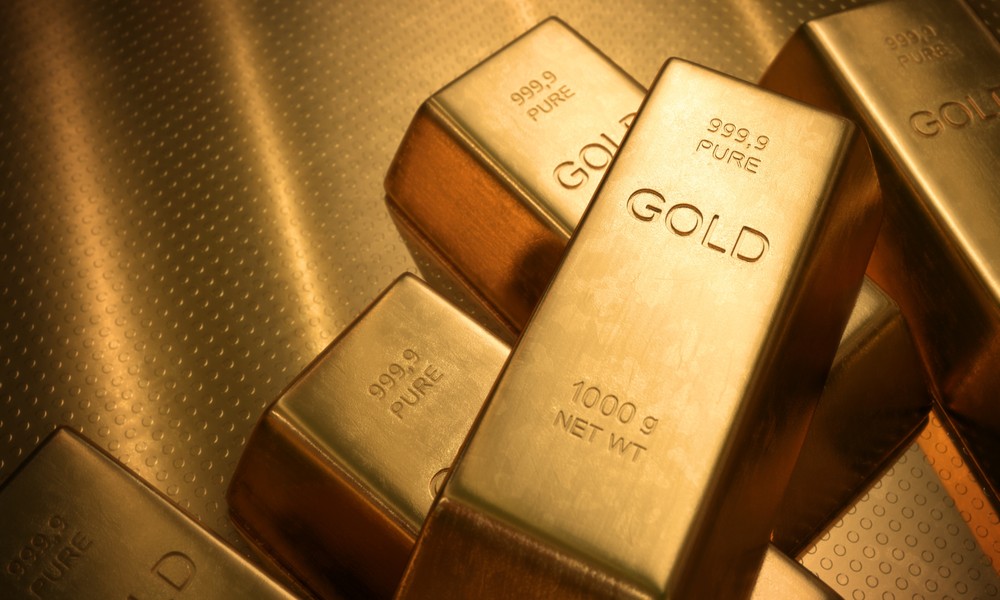

Gold jewellery is more than just a decorative accessory-it’s an investment. Whether it’s an heirloom passed down through generations or a modern piece bought for personal enjoyment, its value can fluctuate depending on various factors. One key element that often gets overlooked is condition. Understanding how the condition of your gold jewellery affects its worth can help you make informed decisions when you decide to sell or appraise your pieces.
- The Role of Wear and Tear
Over time, even the most carefully worn gold jewellery can show signs of wear. Scratches, dents, and worn clasps are common issues that occur naturally with daily use. While these imperfections may not drastically reduce sentimental value, they can affect resale value. Buyers, especially professional gold buyers, assess both the gold’s purity and its physical condition. Jewellery that is well-maintained and free from significant damage generally commands a higher price than pieces showing heavy wear.
- Tarnish and Surface Discoloration
Although pure gold (24K) does not tarnish, many gold jewellery pieces are alloys mixed with metals such as copper, silver, or nickel, which can react with air, moisture, or chemicals. Tarnishing or surface discoloration may make a piece less appealing aesthetically, potentially lowering its market value. Simple cleaning and polishing can restore much of a piece’s original shine, improving its presentation when you decide to sell gold jewellery locally.
- Missing Stones or Broken Settings
Jewellery often includes gemstones, diamonds, or other decorative elements. Over time, prongs may loosen, or settings may become damaged, increasing the risk of stones falling out. Pieces missing stones or with broken settings are usually valued less than intact pieces. For buyers, the cost of repairs or replacement is factored into the resale price. Therefore, repairing minor issues before selling can maximize returns.
- Modifications and Custom Alterations
Custom modifications, such as resizing rings or changing chains, can also impact value. While personalization makes a piece unique, it may limit the number of potential buyers, especially if alterations affect the structural integrity or aesthetic appeal. Gold jewellery in its original, unaltered state generally retains its highest value, particularly for collectors or investors.
- Authenticity and Hallmarks
Condition goes beyond physical appearance; it also includes verification of authenticity. Pieces with clearly visible hallmarks or stamps indicating purity are easier to evaluate and often fetch better prices. Faded or worn hallmarks can create uncertainty for buyers, potentially lowering the perceived value. Ensuring hallmarks are legible or having an expert verify authenticity can make a significant difference in the resale process.
- Storage and Maintenance
How jewellery is stored has a direct impact on its condition. Exposure to harsh chemicals, extreme temperatures, or moisture can accelerate wear and tarnish. Proper storage in soft pouches, lined jewellery boxes, or airtight containers helps maintain both aesthetic appeal and structural integrity. Regular cleaning with gentle, non-abrasive methods ensures your gold jewellery remains in excellent condition for years to come.
- Timing the Sale
Even when jewellery is in pristine condition, market demand can fluctuate. Gold prices are influenced by global economic trends, currency fluctuations, and local demand. Pieces in excellent condition will always perform better during resale, but choosing the right time to sell gold jewellery can further maximize value.
Conclusion
The condition of your gold jewellery plays a pivotal role in determining its market value. Scratches, tarnish, missing stones, modifications, and unclear hallmarks can all reduce how much you receive when selling. By properly maintaining, storing, and repairing your jewellery, you can ensure it remains attractive to buyers and fetches a higher price. Whether you are looking to upgrade, pass down, or simply liquidate your assets, paying attention to condition is key when you decide to sell gold jewellery.
