
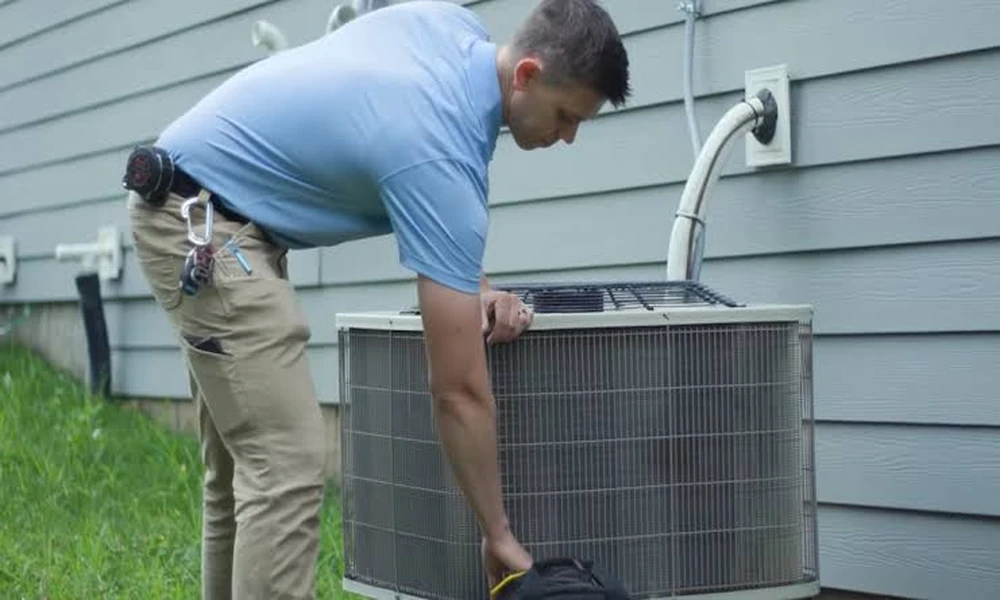

A central air conditioner in Columbus, Georgia works from late spring into October, through heat and humidity that keep it running for hours at a stretch. When comfort slips, the equipment is only one of three suspects. The system can be worn out, the ducts can be leaking, or the house can be losing cool air through a thinly insulated attic and envelope. Fixing the wrong one wastes money, so the useful first step is matching the symptom to its likely cause before choosing repair, replacement, or insulation work.
That matters when you are shopping for air conditioning services in Columbus, because a technician who only inspects the outdoor unit can miss the real problem. Replacing a compressor in a house that sheds cooling through the roof deck leaves the complaint unchanged. Adding insulation will not revive a condenser with a failing capacitor. The sections below separate those cases.
Start with the cheap checks. The U.S. Department of Energy says swapping a clogged filter for a clean one can lower an air conditioner’s energy use by 5% to 15%, and it advises cleaning or replacing filters every month or two during cooling season. Dirty coils and a blocked outdoor unit also cut performance. Rule these out first, since they sit behind several of the symptoms in the table below.
Local help with the diagnosis. If the basic checks do not settle it, American Heating & Cooling has served Columbus and nearby communities since 1988 and covers every branch of this map. Its technicians provide air conditioning services in Columbus that range from AC repair and seasonal maintenance to full air conditioning installation. The company also handles commercial air conditioning for offices and rental properties, and insulation work for homes where the building, not the equipment, is the problem. Having all three under one roof helps keep the recommendation tied to the actual cause.
Diagnosis map
| Symptom | Likely cause | Typical fix path |
|---|---|---|
| Weak airflow at vents | Clogged filter, dirty evaporator coil, failing blower motor, crushed or leaking duct | Filter and coil cleaning, blower repair, duct sealing |
| Warm air from vents | Refrigerant leak, failed capacitor or compressor | Leak repair and recharge; replacement if the unit is old and the compressor is gone |
| Bills climbing at the same usage | Aging equipment, dirty coils, leaky ducts, thin attic insulation | Tune-up, duct sealing, insulation upgrade; replacement past 10 years |
| One room or floor stays hot | Unbalanced or leaking ducts, poor insulation over that space | Duct repair, attic air sealing and added insulation |
| Short cycling | Oversized unit, frozen coil, faulty thermostat or sensor | Repair; proper sizing at replacement |
| Runs nonstop, never catches up | Low refrigerant, undersized or worn unit, heavy attic heat gain | Insulation first, then repair or replacement |
| Older unit with repeated repairs | Worn components, outdated efficiency | Replacement |
Weak airflow and warm air. These two are often confused. Weak airflow points to something restricting the air, usually a filter, a coil caked with dust, or a duct problem. Warm air at normal airflow points to the cooling cycle itself, most often a refrigerant leak or a failed electrical part. Refrigerant does not get used up, so a system that needs a recharge has a leak, and topping it off without finding the leak only delays the next failure. Repair makes sense on a younger system. On a unit that is well past its prime, a compressor failure is usually the moment replacement becomes the better investment.
Rising bills and uneven rooms. These symptoms usually come from the house rather than the machine. ENERGY STAR says sealing and insulating ducts can improve a heating and cooling system’s efficiency by as much as 20%, and many Columbus homes run ductwork through an attic that gets far hotter than the living space. Leaks there pull in hot air and push out the cool air you paid for. EPA estimates that air sealing plus added insulation in attics and similar areas saves an average of 15% on heating and cooling costs. If the upstairs or the far end of the house lags behind, a duct and attic evaluation usually beats a bigger air conditioner.
Short cycling. When the unit shuts off minutes after starting, it may never run long enough to pull humidity out of the air, which leaves a house cool but clammy. Common causes include an oversized system, a frozen evaporator coil from restricted airflow, or a thermostat reading the wrong temperature. A restricted coil or bad sensor is a repair. An oversized unit is a sizing problem, and the fix is a correctly calculated replacement, not a patch.
An aging unit. ENERGY STAR advises having equipment evaluated by a professional once it passes 10 years or stops keeping the house comfortable. A common rule of thumb multiplies the unit’s age by the repair quote, and if the result tops roughly $5,000, replacement deserves a serious look. Systems still using R-22 refrigerant, which has been phased out and costs more each year, are another strong signal. Installation quality matters as much as the equipment. ENERGY STAR warns that improper installation can reduce system efficiency by up to 30%, so a cheap, rushed replacement can erase the savings of a newer model.
Insulation before replacement. The order of work matters. ENERGY STAR recommends addressing the big air leaks and the duct system before investing in new HVAC equipment. A tighter, better-insulated house can need less cooling capacity, so sealing first can mean buying a smaller, cheaper system, or getting several more years from the current one. A thorough evaluation should include a look at the attic, the ductwork, and the equipment, not just the outdoor unit.
A practical order of operations. Check the filter and clear the outdoor unit. Note exactly what the system does, whether that is weak airflow, short runs, or one hot room, because the symptom narrows the cause faster than the age of the unit. Then have the ducts and attic inspected alongside the equipment. Repair what is failing, seal and insulate what is leaking, and replace the unit only when its age, repair history, and efficiency say it has run its course.
Is My Columbus AC Failing Or Is The Attic To Blame?
