

Introduction
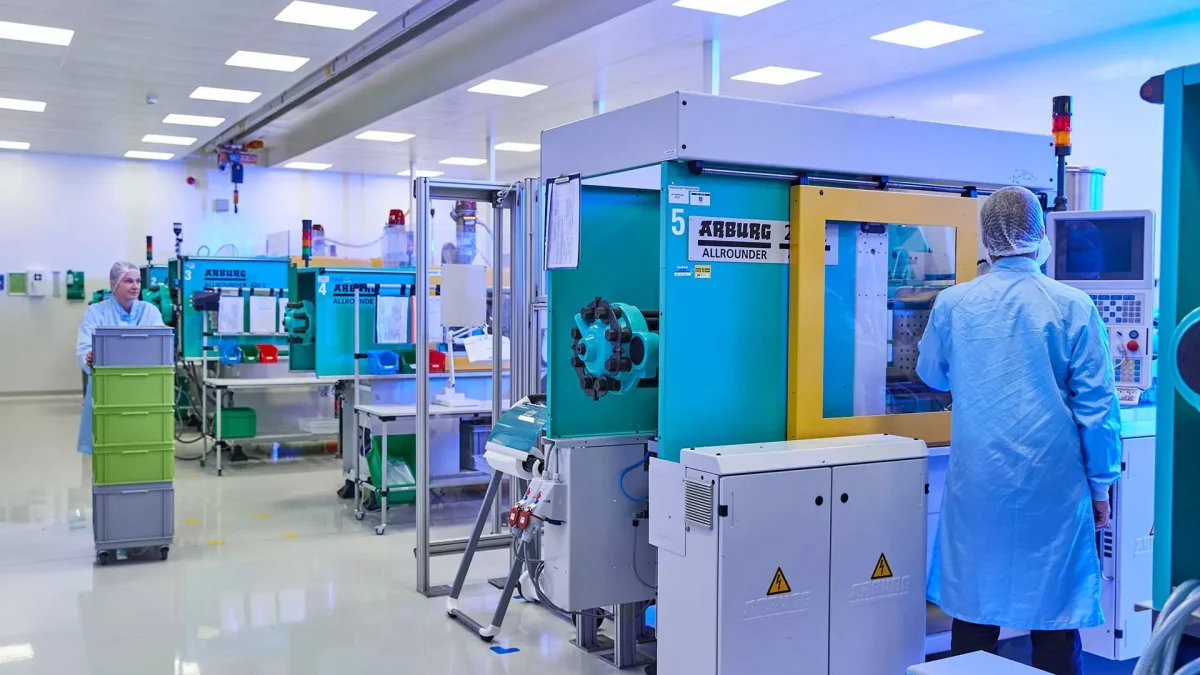
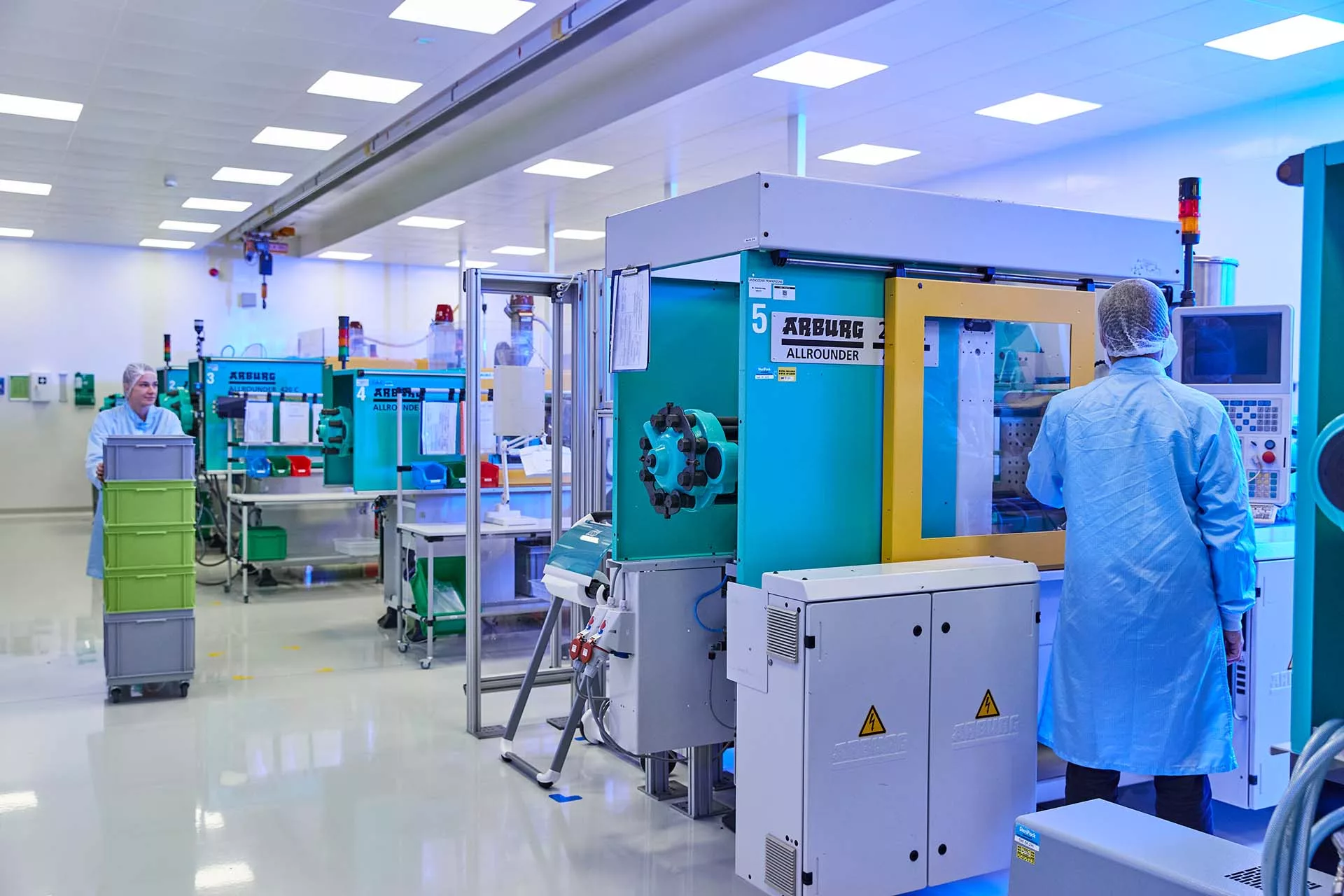
Every medical contract manufacturer looks roughly the same from a distance. The certifications appear on the website, the cleanroom photographs are professionally lit, and the capability lists read like variations on a common template. The differences that actually matter, the ones that determine whether a programme runs smoothly or accumulates problems, tend to be less visible. They live in the quality of an engineering team’s design transfer feedback, in the depth of a validation portfolio, in the way a manufacturer responds when a process excels or when it does not. Evaluating a medical contract manufacturer seriously means learning to see past the surface presentation and into the operational reality underneath.
The Baseline That Everyone Claims
ISO 13485 certification is effectively universal among medical contract manufacturers competing for regulated device programmes. FDA 21 CFR Part 820 compliance is similarly common among those serving the United States market. These credentials matter, but their near-universal presence means they no longer function as differentiators. They are entry requirements, not distinguishing characteristics.
The same logic applies to cleanroom infrastructure and validated process portfolios. A manufacturer without ISO Class 7 cleanroom capability and validated injection moulding, welding, and sterilisation processes is not competing for serious medical device programmes. The presence of these capabilities confirms a manufacturer’s eligibility. It says nothing meaningful about the quality of execution within them.
Meaningful differentiation begins where standard credentials end.
Technical Depth Versus Technical Breadth
One of the most significant fault lines among medical contract manufacturers runs between those with genuine technical depth in a defined set of processes and those who have accumulated broad but shallow capability across many. Both models have legitimate applications, but they serve different programme types, and conflating them leads to mismatched partnerships.
A manufacturer with deep expertise in precision ceramic and metal injection moulding for implantable device components brings process knowledge that a generalist cannot replicate. The engineering team understands the material behaviour, the sintering shrinkage characteristics, and the validation demands of that specific process class at a level that comes only from sustained experience. Their design for manufacturability feedback is specific, evidence-based, and delivered early enough to prevent tooling decisions that cannot be reversed.
A manufacturer with broader capability across multiple device categories offers flexibility and the ability to manage more complex programmes in-house without subcontracting. Singapore’s medical contract manufacturing sector contains strong examples of both models, with specialists in precision fabrication for surgical and implantable devices operating alongside full-service manufacturers capable of managing entire product lines from design transfer to finished device release.
The evaluation question is not which model is superior in the abstract. It is which model matches the technical requirements and programme complexity of the specific device under consideration.
How Manufacturers Handle Non-Conformance
If there is a single operational indicator that separates strong medical contract manufacturers from weak ones, it is how they manage non-conformance. Every manufacturing operation produces non-conforming output at some rate. The difference lies in what happens next.
A manufacturer with a mature quality system identifies non-conformances quickly, contains the affected product, investigates root cause systematically, and implements corrective actions whose effectiveness is verified before the record is closed. The corrective action archive is a living record of how the quality system learns. Reviewing it during a supplier audit reveals more about a manufacturer’s operational culture than any capability presentation.
A manufacturer whose non-conformance records are sparse should prompt scepticism rather than reassurance. Either the detection systems are inadequate, or the reporting culture discourages honest documentation. Neither is a foundation for a reliable regulated manufacturing partnership.
Programme Management and Communication
The technical capability of a medical contract manufacturer is delivered through the people who manage programmes day to day. Engineering managers, quality leads, and programme coordinators are the human infrastructure through which validated processes and certified quality systems are actually applied to a specific device and a specific customer relationship.
The quality of that human infrastructure is difficult to assess from a capability document but becomes apparent quickly in early programme interactions. How clearly does the manufacturer communicate schedule risks? How proactively does the engineering team identify design features that will create production difficulties? How transparently are cost implications of process changes communicated before they appear on an invoice?
These are not soft considerations. In a regulated manufacturing environment, communication failures create documentation gaps, and documentation gaps create regulatory exposure. The best medical contract manufacturers treat programme communication as an extension of their quality system.
Geographic and Supply Chain Considerations
Where a medical contract manufacturer operates has practical implications that extend beyond logistics. Manufacturers based in Singapore benefit from a regulatory environment that has invested systematically in precision engineering education, quality infrastructure, and familiarity with both FDA and international medical device regulatory frameworks. For device companies serving Asia-Pacific markets, proximity to regional supply chains reduces lead times and supply chain risk.
For companies whose primary markets are in the United States or Europe, a manufacturer’s experience navigating the documentation requirements of FDA submissions or European technical files is a relevant differentiator. Regulatory familiarity that lives in the engineering and quality team, rather than being imported through external consultants at programme milestones, reduces both cost and timeline risk.
Conclusion
The differences between medical contract manufacturers are real, consequential, and not always visible from the outside. Certifications and cleanroom classifications establish the floor. What sits above that floor, in the depth of technical expertise, the rigour of non-conformance management, the quality of programme communication, and the accumulated experience of working through difficult problems in a regulated environment, is what determines whether a manufacturing partnership produces the outcome a device programme actually needs. Finding the right Medical contract manufacturer means looking past the credentials and into the evidence of how the operation performs when the conditions are demanding.
